Labebo
Institutions

Institutions

Interactive experiences for learning and specialist-led services.

Labebo helps institutions use interactive digital activities and simulations in ways that fit their actual learning or rehabilitation workflows.

Two ways to use Labebo

Educational institutions

Add an interactive layer to learning through activities and simulations that help students explore concepts instead of only reading or watching them.

  • Access to the published interactive experiences.
  • Visual activities students can inspect and try.
  • Practice through the activities that are currently available.

Rehabilitation centers

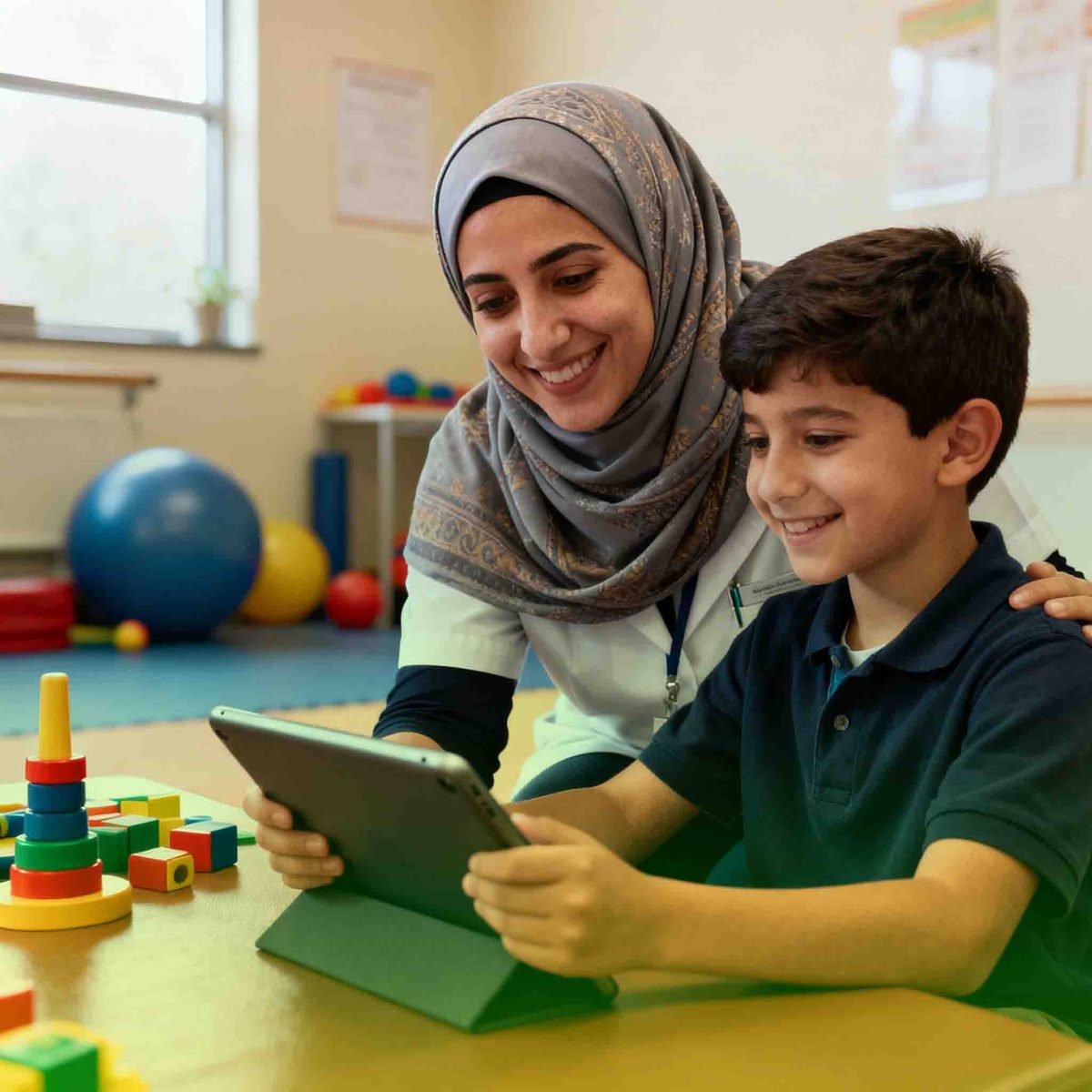
Support rehabilitation sessions with interactive activities a specialist can use inside their own professional plan. Assessment and guidance stay with the specialist.

  • A published set of rehabilitation activities in the library.
  • The specialist remains responsible for how an activity is used.

Inside the work

  • Centers
    Centers
  • Specialists
    Specialists
  • Families
    Families
  • Learning spaces
    Learning spaces

What the system can support

Published experiences

Classrooms can open the interactive activities and simulations that are already in the library.

Specialist-led activities

Rehabilitation activities stay available for a specialist to choose inside their own plan.

One library

Simulations, activities, and 3D experiences are browsed from the same Labebo Land library.

A direct contact path

Institutions can send a request and continue the conversation by email.
Tell us about your institution

EN
Labebo interactive learning

About Labebo

Learning should be explored, not just memorized.

Labebo is an interactive learning platform that helps learners understand and explore concepts through AI-guided support, interactive experiences, and 3D simulations. We are also continuing to develop digital solutions for rehabilitation, guided by a simple belief: technology matters most when it brings knowledge and meaningful experiences closer to people.

Explore Labebo

When an explanation is not enough

A learner may read information or listen to an explanation and still find an idea difficult to understand—especially when it is scientific, mathematical, or hard to visualize. Some concepts call for more than text and images: learners need opportunities to see, interact with, and experiment with them.

This is why Labebo is focused on moving beyond content presentation toward digital experiences that give learners more room to ask, explore, and apply what they learn.

Our work also extends to rehabilitation, where interactive digital experiences can support professionals, learners, and families within the use cases the platform develops.

From a question to an experience

  1. Ask

    The learner starts with a question or a concept they want to understand.

  2. Understand

    AI-guided support helps explain the concept within the product's available capabilities.

  3. Explore

    The learner moves to a related interactive experience or simulation when one is available.

  4. Experiment

    The learner interacts with the experience and observes the relationships or outcomes it supports.

  5. Apply

    The learner checks their understanding through available activities or exercises.

These stages describe the intended path. An answer does not create a new simulation. A learner moves to an existing Labebo experience when one is related to the concept, and only the activities that are available can be used to practice.

Two connected areas of work

Interactive learning

We are making concepts easier to explore through AI-guided support, interactive experiences, and simulations that give learners opportunities to investigate and experiment rather than only receive information.

Digital experiences for rehabilitation

We continue to develop interactive digital experiences for rehabilitation, with attention to the role of professionals and the needs of children and families, within Labebo's actual available capabilities and use cases.

Technology is not the goal. The experience is.

  • Interaction, not just observation

    Experiences can give learners opportunities to participate and explore where the simulation supports it.

  • AI support within a learning context

    The goal is not simply to return an answer, but to help learners understand an idea and continue exploring it.

  • Learning through practice

    Opportunities to try concepts and apply them through available activities.

  • Technology in service of people

    Building educational and rehabilitation experiences that consider users' needs and the role of teachers and professionals.

The people behind Labebo

Bader Asalwa

Bader Asalwa — Founder of Labebo

Bader works at the intersection of multimedia, immersive technology, and interactive experiences. With a background in developing VR/AR solutions and digital experiences, he founded Labebo to put technology to practical human use and make learning more interactive and tangible. He also founded Immesense, which develops digital and interactive solutions across different sectors.

Our story

Labebo began with a commitment to developing digital experiences that serve people and respond to real needs. As the vision evolved, our work expanded toward making educational concepts more tangible and interactive, while continuing to develop solutions in rehabilitation. These areas are connected by one purpose: using technology to create experiences that are more useful and relevant to people's lives.

Where Labebo has taken part

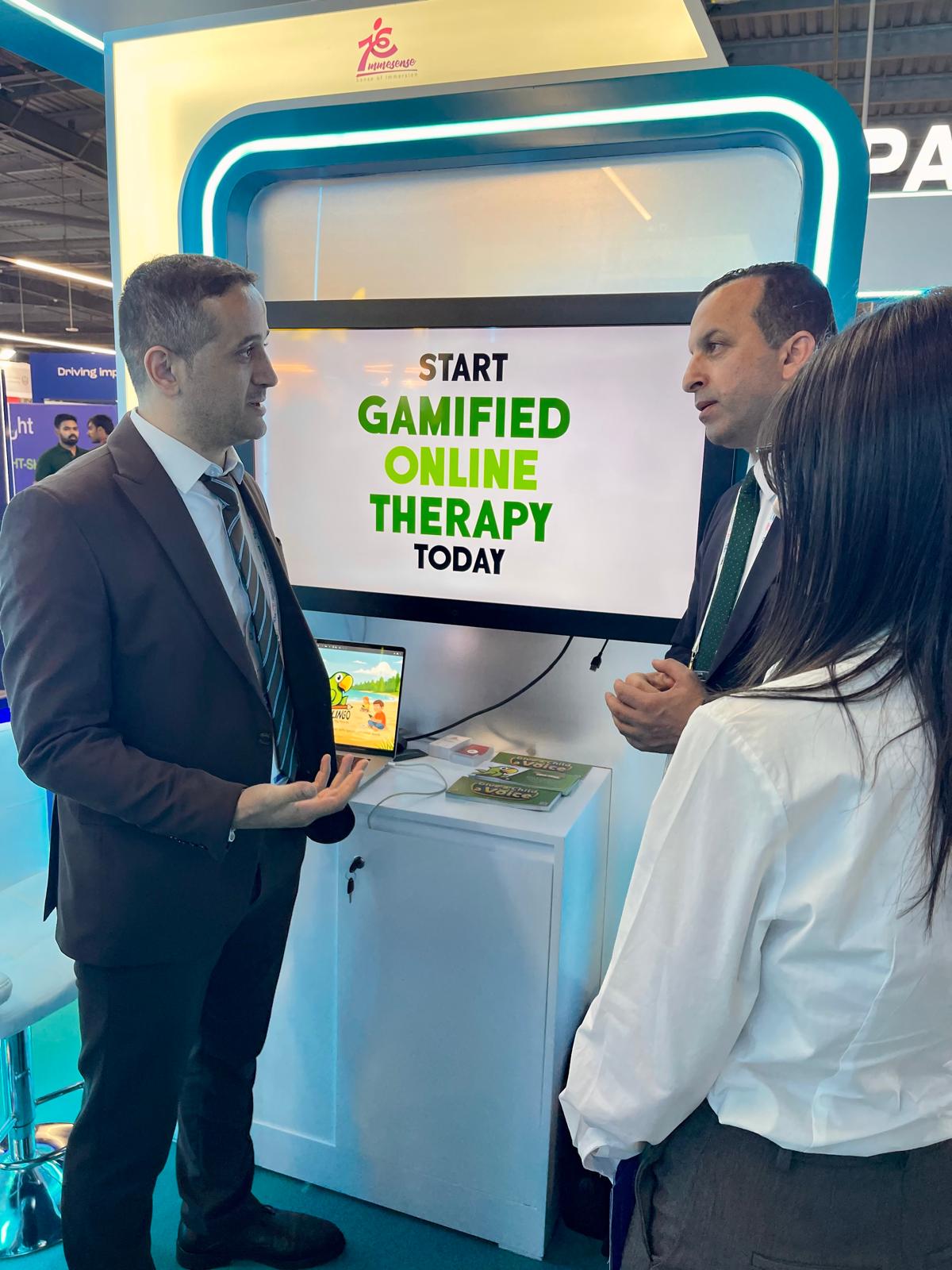
Photos from exhibitions Labebo has joined. Participation is not a measure of market position.

  • GITEX Dubai
  • GITEX Dubai
  • GITEX Africa
  • GITEX Africa
  • GITEX Africa

Immesense

Labebo builds on its founder's experience in developing digital and interactive solutions through Immesense, helping turn ideas into practical technology experiences.

Visit Immesense

Discover a more interactive way to learn.

Explore Labebo or get in touch to learn more about our work across interactive learning and rehabilitation.

Explore Labebo

Tell us about your institution